19 Mar 2026

Updating the TUC digital healthcheck


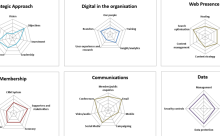
Version 4 of the TUC’s digital healthcheck has just been launched. It’s a well‑established benchmarking tool that helps unions assess their digital and technical maturity and has since been translated and used by unions internationally. I again led on redeveloping this latest version, which felt long overdue. The previous major update was more than five years ago – and in technology terms, that’s a very long time. The purpose of revisiting the healthcheck wasn’t to chase trends for their own sake, but to take a hard look at what good practice now looks like for unions navigating a much more

27 Mar 2024

Cyber security for trade unions


Cyber security is a major and ever evolving risk for organisations. While the nature of the threats has evolved over time, the risks have arguably never been greater for trade unions. Download the free Cyber security for unions report . As data storage has moved online, this has seen an increase in the range and types of digital threats. This has resulted in a new phase in the ‘arms race’ between cyber security and malicious actors, with innovation in both the types of threats and the responding security technologies and protocols. For unions, who maintain a large collection of highly
21 Feb 2024

Cyber Essentials: A practical way to improve cyber security


Cyber security remains a critical and ever-evolving challenge. With the escalation of threats such as ransomware and sophisticated phishing attacks, fraudulent emails aimed at deceiving individuals into disclosing sensitive information, the stakes have never been higher. This issue is particularly pertinent for unions, who hold the personal details of thousands of members on their systems. Trade union membership itself is deemed as special category sensitive data under Data Protection legislation, and so even more care is needed around this. A government backed review into the most common
17 Oct 2023

Workplace phishing simulations


Phishing is the name given to fraudulent emails and messages designed to trick people into giving away their passwords and other credentials or to download malware. These types of attacks have been increasingly deployed by criminals over the last few years. The number of phishing attacks are estimated to have risen by 150%, year on year, since 2019. Unions are at particular risk, as they hold the personal data of union members. Union membership is classified as ‘special category’ sensitive data under Data Protection legislation. If, for example, a phishing attack managed to capture the
09 Nov 2022

CRM change projects and trade unions


As unions digitise more and more of their operations, new tech tools are becoming essential across all their functions. However, the systems used to manage membership data are still the most critical that unions rely on. I’ve been working on a new TUC Digital Lab report called Managing CRM change projects in unions. It’s now available to download from digital.tuc.org.uk. This new TUC Digital Lab report looks at Customer Relationship Management (CRM) systems from the perspective of the union movement. CRMs are commonly used in the world of business, typically to manage customers or marketing
22 Aug 2022

Attack simulation training


In the world of technology, security threats change over time. Currently, one of the most critical risks revolves around phishing emails. Phishing is where criminals use scams sent via email, SMS or phone calls to try and steal personal information or trick people into installing malicious software. Over the last few years, it’s been on the rise. It’s been estimated that about 90% of all cyber-attacks start with a phishing email. Attacks are becoming increasingly sophisticated, with highly targeted attacks (known as ‘Spear Phishing’) that can be personalise more of the email content and design
19 Jan 2022

Virtual Reality in the workplace


Technology continues to change the world of work, something which isn’t expected to slow down anytime soon. Innovations in artificial intelligence, collaboration tools and other technologies will alter not only how we work, but the types of jobs available to us. One technology that has long been predicted to make an impact, but is only really starting to mature, is Virtual Reality (VR). We are now a few generations into the technology, and with VR Headsets like the Oculus Quest becoming very popular, this represents an affordable new work tool that costs less than most laptops. VR is already
14 Dec 2021

The dangers of Shadow IT


Shadow IT is the use of technology, such as cloud-based software, without the approval or oversight from the organisation’s IT department. Some examples of shadow IT include: Storing business data on a private Google account Using a personal account on an online survey platform to collect work-related data Saving sensitive work personal data on an unmonitored personal laptop Using a private Dropbox account to manage a spreadsheet of work contacts With the rise of online services in particular, more and more people have been able to use free or cheap tools to help with their work. These new
03 Nov 2021

8 tips for holding successful hybrid meetings


Throughout the pandemic, many key workers have still been travelling to their places of work. However, a large proportion of the workforce worked from home and have only recently started to venture to work. Many people have taken up hybrid working, for example, going to an office two days a week and working from home on other days. This poses a challenge when holding meetings, as some people will want to join remotely, while others will attend in person. Holding hybrid meetings is a challenge those. Here are some tips that can help. Help ensure all attendees have a consistent experience by
17 Jun 2021

Hybrid meetings


One of the big technology successes during the Covid-19 pandemic is video conferencing. As we found ourselves working from home and isolated away from loved one, people turned to video conferencing for work meetings and social interaction. Video conferencing has been around for a while, but its use has dramatically accelerated. ‘Zoom’ has become a verb and companies like Microsoft and Google have quickly developed and improved their offerings. Now even those with limited technical skills have become comfortable with online meet ups. Changing work patterns As we begin to approach the end of the